Rodent infestations are hard to live with and tough to eliminate. Ask anyone who’s been through one – if they could go back and do anything to prevent it, they would. But we understand your time and peace of mind are valuable, so we want to ensure you get the best possible results from your prevention efforts.
That’s why we’ve put together this Guide to Rodent-Proofing Your Home.
What makes us experts on rodent-proofing? We’re Eden Advanced Pest Technologies, and in our decades of experience providing outstanding rodent control services to the greater Spokane area and northern Idaho, we’ve seen our share of rodent infestations. These crafty critters can be very creative in how they try to get in – we can tell you how to stay one step ahead.
Why Rodent Proofing Matters
Rodent-proofing is a combination of strategies to remove any conditions that attract or grant rodents access to your property before they’re an issue.
Rather than waiting until rodents have already moved in, rodent-proofing your home helps you save money, avoid hassle, prevent damage to your property, and stay protected from the potential safety hazards that rodents bring.
How to Rodent-Proof Your Home
We’ve identified four key strategies that, when combined, give you a secure and rodent-proof house. This is how professionals prevent rodent infestations in their own homes. These strategies actually work, so if you make them a priority, you will prevent rodents.
Master These 4 Key Strategies of Rodent Prevention
1. Figure Out Where The Rodents Are Coming From and Work Backwards
Rats and mice don’t magically appear in your house out of thin air; they live outside and come inside because they’re looking for something, usually food or water. Do a thorough inspection of the exterior of your house, as rats and mice often gain entry through one of these:
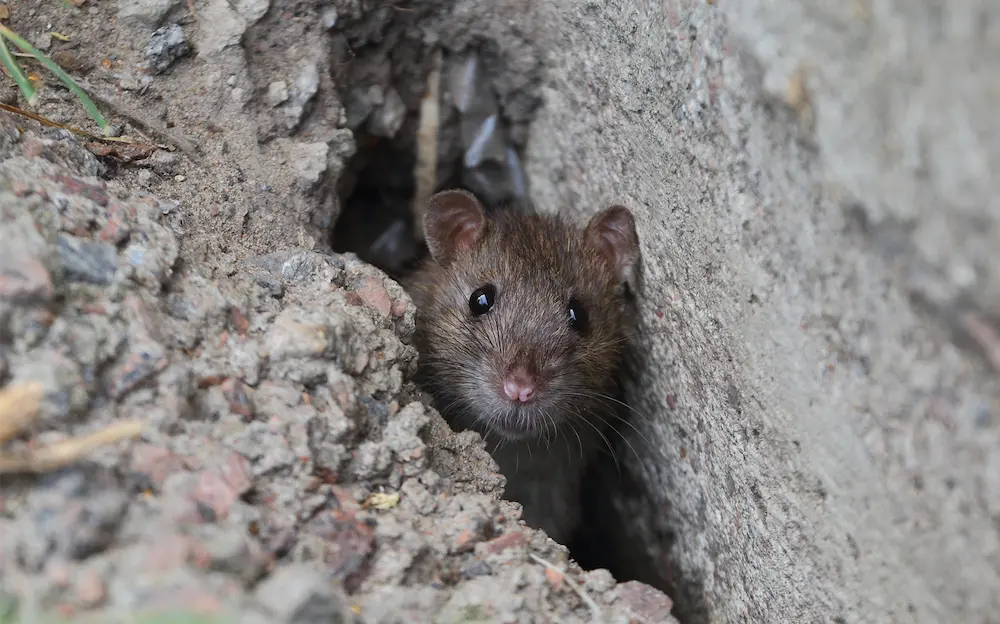
- Cracks or holes in your walls or foundation: It only takes a crack about the size of a penny for a mouse to squeeze inside.
- Gaps around pipes or utility lines: It only takes a gap about the size of a quarter for a rat to wiggle inside.
- Open garages or broken screens: Some people leave their garage doors open all day, allowing rodents to waltz right in.
- Loose roof shingles: Some rodents (especially roof rats) get into a house through small openings on the roof. You may want to ask a roofer to do this inspection for you.
Once you’ve checked these areas, seal up any potential entry points with things like caulk, metal mesh, or professional repairs.
2. Addressing Environmental Factors
A lot of people associate rodent infestations with unhygienic spaces, but that isn’t always the case. There are a lot of easily overlooked environmental factors that can attract rodents to your home or business:
- Food Sources: Rodents are opportunistic feeders and will scavenge for any available food. Keep food stored in airtight containers, clean up spills and crumbs promptly, and avoid leaving pet food out overnight.
- Water Supply: Rodents require water to survive, so eliminating sources of standing water, fixing leaks, and ensuring proper drainage can help deter them from your property.
- Vegetation: Overgrown vegetation and dense landscaping provide rodents with hiding spots and easy access to the structure. Trim back trees and bushes, remove ivy and other climbing plants from exterior walls, and maintain a tidy yard to discourage rodent activity.
- Clutter: Rats and mice are drawn to areas with lots of nesting materials. From old scraps of fabric to cardboard boxes, there are all sorts of materials that can make your space more attractive to rodents.
3. Placing Bait Stations Or Traps
Next, set up a line of defense with a combination of bait stations and traps. Bait stations lure rats and mice in with the promise of a tasty treat and give them a lethal dose of poison, while traps kill much quicker.
It’s important to note that while traps cause a faster death, they’re only effective if you know the places rodents are frequently crawling through—and they may not be enough to battle a full colony. Rats and mice are very smart, so they’ll catch onto traditional snap traps quickly.
Bait stations are a great choice if you aren’t quite sure where rodents are crawling around, or if you’re dealing with a large infestation. In a lot of cases, a rodent will carry some of the poison back to the colony, which can eliminate the problem over time.
4. Ongoing Improvements and Maintenance
Rodents are year-round pests, so in order to prevent rodent-related risks, it’s important to invest some time in ongoing prevention.
Some ongoing prevention tactics you can use include:
- Secure outdoor trash bins: Ensure outdoor trash bins have tight-fitting lids to prevent rodents from accessing food waste. Consider using rodent-proof containers or placing bins on elevated platforms to further deter pests.
- Seal outdoor structures: Inspect sheds, garages, and other outdoor structures for gaps or openings that may serve as entry points for rodents. Seal any cracks, gaps, or holes with durable materials such as steel wool or caulk to prevent rodent ingress.
- Install door sweeps: Install door sweeps on exterior doors to create a barrier that prevents rodents from entering the home. Make sure the sweeps are in good condition and snugly seal the bottom of the door.
- Monitor bird feeders: Bird feeders can attract rodents with spilled seeds and leftover food. Clean up any spilled seeds regularly and consider using squirrel-proof feeders or placing feeders on poles with baffles to discourage rodent access.
- Get yearly inspections: Schedule annual inspections by a professional pest control service to assess for any signs of rodent activity or potential entry points. Early detection can prevent infestations from escalating and minimize the need for extensive treatments.
When Is the Best Time to Rodent-Proof?
As temperatures drop in the fall, rodents look for warm shelters that have reliable food and water sources. Taking action before winter begins gives you a head start to close off access before rodents move inside.
Rodent-proofing in September, October, or November helps prevent mid-winter infestations.
DIY vs. Professional Rodent Proofing
While you can seal some gaps yourself, professional rodent-proofing gives you an expert eye to catch hidden vulnerabilities. Pest control technicians use special materials, tools, and methods specifically designed to resist gnawing, and their understanding of rodent behavior makes their work more reliable than most DIY attempts.
The Steps of Professional Rodent-Proofing a Home:
- Comprehensive inspection: A technician checks your foundation, roof, vents, and crawlspaces for gaps as small as a quarter inch, which is all a mouse needs to squeeze through.
- Sealing and repairing: They close holes with durable materials that rodents cannot chew through.
- Sanitation and storage advice: Professionals give personal recommendations for storing food properly and removing outdoor attractants.
- Ongoing monitoring: Many services offer follow-up checks to ensure proofing stays effective year-round.
If you’ve spotted rats or mice in your home, be sure to check out our article >> How to Handle a Rodent Problem
Why Work With A Rodent Control Professional?
Now that you know the basics of rodent-proofing, you can try out your new skills. While these strategies help prevent the vast majority of rodent infestations, rodents can still be tough to predict. It may still be possible to end up with them in your home.
Our rodent exterminators and rodent-proofing experts have years of experience to quickly eliminate even the worst of infestations.
If you want to get rid of rodents without the hassle or risk, contact the experts at Eden Advanced Pest Technologies today!
Back to Rat & Mice Exterminators, Control & Removal