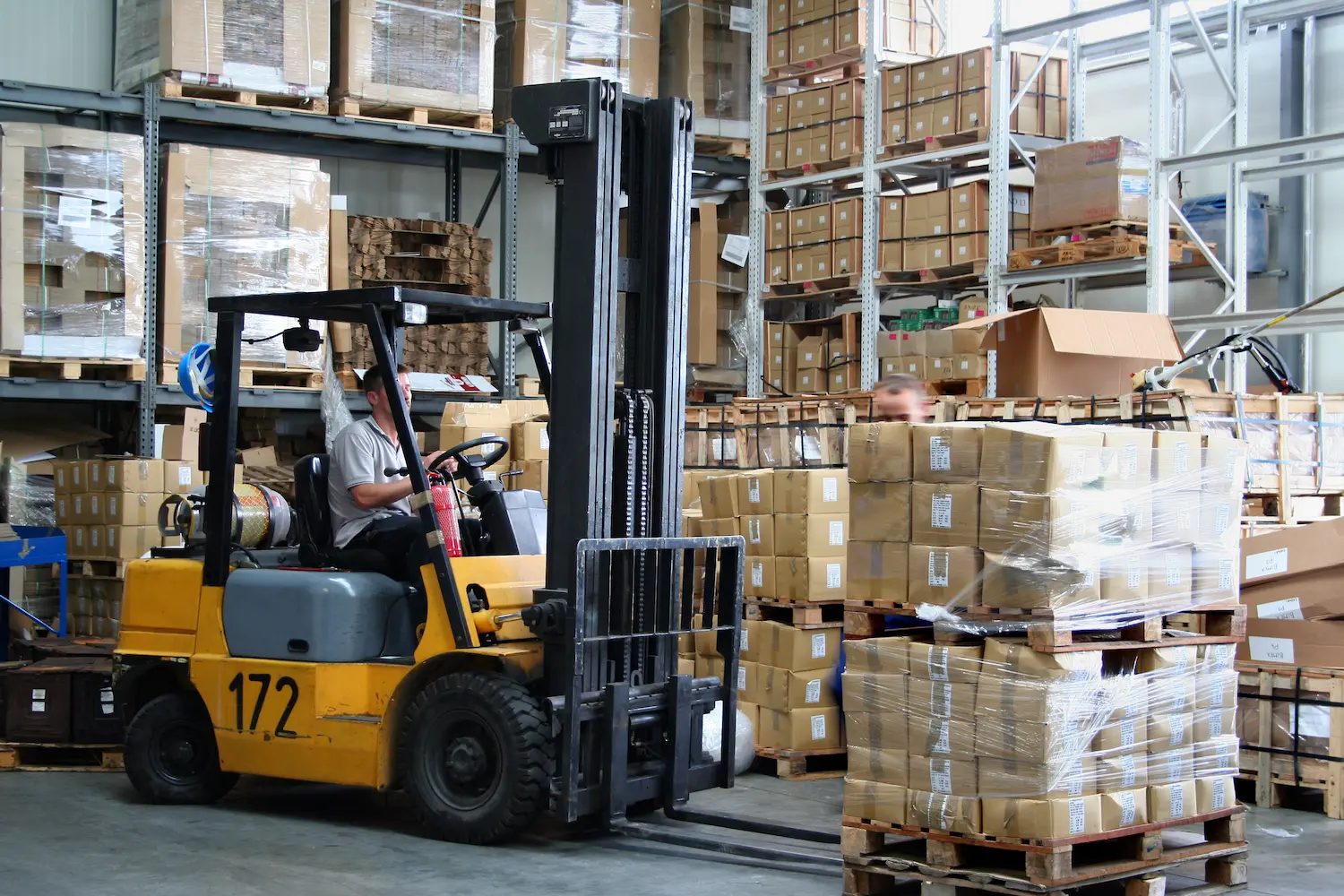
 Warehouses and storage facilities offer pests the perfect combination of shelter, food, and quiet areas with minimal disruption. Because of these conditions, pest problems are a frequent concern for managers and business owners. So the best way to deal with infestations is consistent warehouse pest management.
At Eden Advanced Pest Technologies, we understand how quickly pest activity can grow in large commercial spaces. In Spokane, WA and Coeur d'Alene, ID, even a minor issue can spread if not handled early, so a proactive approach to pest control in storage facility environments helps protect inventory and maintain smooth operations.
Most Common Warehouse Pests
Warehouses tend to draw a wide range of pests that are looking for food, warmth, and shelter. While rodents are the most frequently encountered, insects and wildlife can also become persistent problems when conditions allow.
Common pests found in warehouses and storage units include:
- Rodents, such as mice and rats, chew materials, damage packaging, and contaminate stored goods.
- Cockroaches thrive in dark, humid areas and can spread rapidly throughout a facility.
- Ants search for food sources and can establish large, persistent colonies if left unmanaged.
- Stored Product Pests infest grains, packaging, and dry goods, leading to contamination and loss of inventory.
- Moths, particularly stored product moths, can infest dry goods such as grains, flour, and packaged foods, where their larvae contaminate inventory and cause product loss.
- Wildlife, such as raccoons, squirrels, or other critters, can access facilities through openings and nesting points, leading to potential damage and contamination risks.
Pests can slip inside through small openings, loading docks, vents, and compromised structures. In pest control storage units, even slight vulnerabilities may lead to repeated infestations without proper management.
Risks of Ignoring Pest Issues
Failing to address pest problems in a timely manner can lead to significant operational and financial consequences. Contaminated inventory, damaged packaging, and structural issues are just a few of the common outcomes. These problems can escalate quickly if left unchecked, increasing the overall cost of resolution.
Health and safety concerns also arise when pests are present. Rodents and insects can spread bacteria and create unsanitary conditions, which may affect employees and stored goods. Businesses that store food or sensitive materials are especially vulnerable to these risks and may face additional challenges in maintaining proper conditions.
In addition to physical damage, pest activity can impact reputation and compliance. Regular issues in a pest control storage facility may result in failed inspections, customer complaints, and potential regulatory complications that disrupt business operations.
Signs of Pest Activity (and How to Inspect for Them)
Identifying early signs of pest activity is critical in preventing larger infestations. Regular inspections allow facility managers to catch problems before they spread throughout the property. Common signs of pest presence include:
Droppings or Urine Stains
Droppings or urine stains near walls, pallets, or storage areas are common indicators of rodent activity. These signs are often found in hidden or low-traffic areas where pests travel regularly. Noticing these early can help identify active pathways and nesting zones.
Gnaw Marks
Gnaw marks on packaging, wiring, or structural materials suggest that rodents are present and actively feeding or exploring. These marks may also indicate ongoing damage to inventory or facility infrastructure. Regular checks of stored goods can help catch this type of activity before it spreads.
Nesting Materials
Nesting materials such as shredded paper, insulation, or fabric are often used by rodents to build shelter. These materials are typically found in secluded or undisturbed areas. Discovering nests or nesting debris is a strong sign that pests are establishing a long-term presence.
Odors
Strange or persistent odors can indicate hidden infestations that are not immediately visible. These smells may come from nesting areas, droppings, or decaying organic matter left behind by pests. Unusual odors should prompt a closer inspection of nearby storage zones and enclosed spaces.
Tracks, Grease Marks, and Movement
Tracks, grease marks along walls, or visible pest movement during quiet hours can reveal active travel routes. These signs often appear along consistent paths used by rodents or other pests. Monitoring these patterns helps identify entry points and frequently used areas within the facility.
Inspection Areas
Routine inspections should focus on loading docks, storage racks, corners, ceilings, and areas with limited foot traffic. These locations are more likely to conceal pest activity due to reduced disturbance and easier access to shelter. Consistent monitoring of these zones supports effective warehouse pest management and helps ensure early detection of issues.
Prevention Strategies and Common Protocols
Preventing pest activity depends on consistent upkeep and clearly defined procedures. Maintaining clean, organized, and properly sealed facilities can greatly reduce the chances of infestations. Prevention strategies often include:
- Sealing Entry Points: Sealing cracks, gaps, and entry points around doors and walls helps prevent pests from entering the facility and establishing activity inside.
- Maintaining Cleanliness: Maintaining cleanliness by removing debris, food waste, and spills reduces attractants that can draw pests into the space.
- Proper Storage Practices: Storing goods on pallets and away from walls allows for easier inspection access and helps identify pest activity early.
- Exterior Landscaping Management: Managing exterior landscaping reduces shelter and hiding areas for pests, limiting their ability to move closer to the building.
- Waste Disposal Practices: Implementing proper waste disposal practices with secured containers helps minimize food sources and discourages pest activity around the facility.
In addition to preventive measures, many facilities follow organized protocols for pest control in storage units and warehouse environments. This can involve routine inspections, tracking pest activity, and working with commercial pest control professionals to ensure ongoing oversight.
How Often Should I Have My Facility Inspected?
Ongoing inspections are a cornerstone of long-term pest management. The frequency of inspections often depends on the facility’s layout, the types of materials stored, and the overall level of operational risk. These factors influence how often evaluations should be performed.
Many warehouses follow a monthly or quarterly inspection schedule, while environments with higher risk may require more frequent evaluations. Facilities that handle food products or sensitive inventory often benefit from increased oversight to help manage pest concerns more effectively.
Eden Advanced Pest Technologies works with facilities in Spokane, WA and Coeur d'Alene, ID to create inspection schedules tailored to their specific needs. By combining regular monitoring, preventive measures, and timely response protocols, businesses can maintain more consistent conditions and reduce the likelihood of pest-related disruptions.
Commercial Pest Management Solutions from Eden Advanced Pest Technologies
Pest problems in warehouses and storage environments can escalate if they are not managed early. Knowing what to look for, understanding the pests involved, and applying consistent prevention methods are all important elements of warehouse pest management in Spokane, WA and Coeur d'Alene, ID.
At Eden Advanced Pest Technologies, we bring a hands-on approach to pest control storage facility challenges. Founded in 2001, our team works with clients to develop strategies that safeguard inventory and support day-to-day operations. We focus on prevention, monitoring, and responsive service to reduce the chance of recurring pest activity.
For dependable help managing pests in storage environments, contact Eden Advanced Pest Technologies today. We are here to provide guidance, inspections, and solutions designed to meet the needs of your facility.