Seeing a pest near your food, or even inside it, can be a scary sight. To keep the problem under control, it’s important to identify which species you’re dealing with, why it’s in your food, and how to keep them from coming back.
How Can You Prevent Pantry Pests?
The most effective thing you can do to keep pantry pests away, is to prevent them in the first place. Here are some strategies you can use to make your home a less appealing place for them in the first place:
- Transfer new dry goods, such as cereal, rice, or nuts, into metal or glass containers that have an airtight lid. These materials keep pests out, and you can use the transfer process as an opportunity to make sure that no bugs tagged along from the grocery store.
- Avoid purchasing goods that have been dented, ripped, or have small holes. Additionally, don’t purchase large bulk items that you can’t finish within approximately two to four months. The longer a product sits, the more susceptible it becomes.
- Consume your food using the first in, first out method. By eating the food that you purchased earliest first, and the new box last, you’ll prevent food from going bad and prevent pest infestations. Clean out your pantry every three to six months to ensure there’s no unnecessary food buildup.
What are Some Common Pantry Pests?
If you’ve encountered some pests in your food storage, you’re likely wondering which issue you’re dealing with. Let’s take a look at some of the most common pantry pests in Spokane, WA and Coeur d'Alene, ID, and how to spot if you’re dealing with them.
- Beetles, such as Grain Beetles, Drugstore Beetles, Flour Beetles, Warehouse Beetles, and Cigarette Beetles can be found in pantries. These insects burrow into grains, seeds, flour, and other food materials. While inside the food, they’ll consume it, contaminate everything within the container, and use it as storage for their eggs.
- Moths, including Indianmeal Moths and Mediterranean Flour Moths, commonly infest cereal, flour, rice, dog food, and more. The adults may not be interested in the food, but their larvae feast on it, so an invasion of only a few moths can quickly multiply.
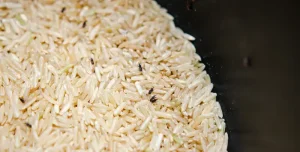
- Rice Weevils invade bins of grains, no matter how large, including rice, corn, wheat, cereal, and nuts. A Weevil issue starts at the grocery store, so look out for them before you purchase any items.
- Cockroaches are notoriously difficult to get rid of. Attracted to food and garbage, they can be drawn into kitchens and pantries. Be sure to keep your pantry and garbage area tidy, and seal any containers tightly.
- Ants are attracted to many types of food, depending on the specific species. Thanks to their small size, they can crawl through tiny gaps and wander their way toward the food they’re looking for.
- Spiders, although not attracted to sources of food themselves, are drawn to pantries because of the other insects they attract. If you’re dealing with spiders in your pantry, you first need to take care of the initial pest infestation that’s drawing the spiders there.
How Can You Tell if You Have a Pantry Pest Infestation?
Take a careful look around your pantry and kitchen. If you see beetles, moths, or similar pantry pests on counters, cupboards, or flying nearby, it could be a sign that you have a pantry infestation. Even if your kitchen is tidy, pests can come from the grocery store or infest dry food that has been stored for a long period of time. Thoroughly check your stored goods, especially if they are not in airtight glass or metal containers, to see if you can spot the source of the pests.
Potential Dangers of Pantry Pests
Although not outright dangerous, pantry pests can cause some less than favorable scenarios. Many pests such as beetles, moths, and weevils contaminate food by leaving their eggs behind, as well as potentially shed skin, feces, webbing, and larvae.
Many common pantry pests such as rice weevils and Indianmeal moth larvae are not dangerous to consume in small quantities, if you accidentally eat one or two before noticing the problem, but they’re not an issue you want to keep around. Other pests, such as cockroaches, can spread diseases and potential allergic reactions, and should be taken care of as immediately as possible.
Keep Pantry Pests Away For Good
To keep pantry pests away for good, implement the prevention strategies we’ve listed previously, and inspect your cupboards, pantry, and individual food storage containers regularly. If you’re concerned about the containers nearby one that has been infected, you can sort through the food product on a baking sheet and inspect for traces of another issue. Even if you don’t spot anything, consider placing the product in the freezer for a few days to kill any potential eggs and larvae.
Reach out to a professional pest control company to make sure the pests in your home are properly removed, and kept away from your home in the long run.
Contact Eden Advanced Pest Technologies for a Professional Inspection
If you’ve been struggling with pantry pests recurringly, your pantry is overrun, or you’re worried about the bugs you’ve seen nearby, Eden Advanced Pest Technologies is here to help. We’ll inspect your property, create a customized treatment plan, and give you advice on how to prevent future issues.
Reach out to us today to schedule your complimentary evaluation, and feel more confident in your kitchen.
Back to Common Household Pests