How to Handle a Rodent Problem
It may start with a sound you can’t quite place. Or perhaps you opened a pantry door only to find a chewed corner of a cracker box or, worse, small, dark droppings on a shelf. You’re left wondering many things: how many there are, where they are hiding, and most importantly, what to do next. How do you handle a rodent problem?
If you have never dealt with a rodent problem before, the most important thing to understand is that you must act quickly. Mice and rats do not simply “move out” on their own. They breed rapidly, so a single pair can turn into a full-scale infestation in a matter of weeks.
To protect your property and family, you need a clear strategy on how to deal with a rodent problem. Here’s what we recommend:
- Determine the extent of the problem
- Contain the problem
- Remove the active rodents
- Comprehensive cleanup and sanitation
- Rodent-proof your house with exclusion measures
What Should You Do About a Rat or Mouse Problem?
Rodent problems are urgent. Why? Because they’re more than a nuisance – a rat or mouse infestation can be very dangerous. Rodents carry diseases and can introduce parasites like ticks and fleas into your living space. Furthermore, their constant need to gnaw can lead to frayed electrical wires and structural damage.
That’s why it’s so important to tackle a rodent problem quickly. Here’s how to get started:
Step 1: Determine the Extent of the Problem
Before you can fight back, you have to know what you’re up against. One of the most critical first steps is identifying the true scope of the intrusion. You need to determine if you are dealing with a lone mouse that wandered in through an open garage door, an established colony, or something in between.
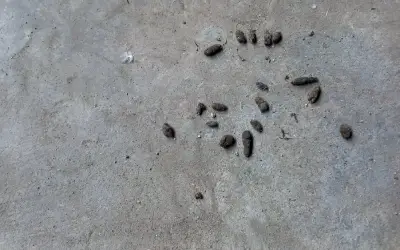
Try to gather evidence to help you make the correct determination. Look for droppings, nesting material, chewed items, grease tracks, and other live rodents.
- Small Scale: If you find no other signs of nesting or widespread droppings, you may be in a position to attempt DIY measures, such as setting high-quality traps.
- Major Problem: If you are hearing noises in multiple rooms, seeing grease rub marks along baseboards, or finding significant amounts of nesting material, do not pass “Go” – call a rodent control professional immediately. At this stage, the population is likely larger than you can manage alone.
Step 2: Contain the Problem
Rodents choose your home because it provides the three essentials of life: warmth, water, and food. By cutting off their resources, you limit their ability to multiply and force them to go looking elsewhere.
Use the following tips to remove attractants:
- Seal Food in Hard Plastic or Glass: Cardboard boxes and thin plastic bags are no match for rodent teeth. Move cereals, grains, and pet food into airtight, chew-proof containers.
- Deep Clean the Kitchen: Sweep up crumbs under the toaster and wipe down grease from the stove. To a mouse, a few crumbs are a feast.
- Fix Leaky Pipes: Check under sinks and in the basement for any moisture sources. Rodents need a reliable water source to thrive.
- Manage Pet Waste: Ensure litter boxes are kept clean and backyard waste is picked up promptly, as these can actually serve as food sources for rats.
Should You Use Rodent Traps to Contain a Rodent Problem?
While they may seem old-fashioned, rodent traps remain one of the most reliable ways to capture individual rodents. However, if you choose this route, you must monitor the situation daily. If you keep hearing sounds or finding evidence, it’s a sign that the population is outpacing your DIY efforts.
If the problem persists or worsens, it’s time to call in the pros at Eden Advanced Pest Technologies.
Step 3: Remove the Active Rodents (Consider Calling a Rodent Control Professional?)
Removing rodents is often more difficult than homeowners anticipate. Mice and rats are remarkably intelligent and highly “neophobic” — meaning they are suspicious of anything new in their environment.
If a trap is placed incorrectly or carries a human scent, they will simply walk around it. They have even been known to “trip” traps or ignore bait entirely if they feel the area isn’t safe.
Because of this biological wariness, professional intervention is often the most humane and efficient way to clear a home.
When Should You Call a Rodent Control Expert?
- When you hear scratching or scurrying inside the walls or ceilings.
- If you see a rodent during the daylight hours, this often indicates a high population density.
- When DIY traps remain empty despite clear signs of rodent activity.
- If you find evidence of gnawed electrical wires or PVC piping.
- Whenever the stress of the situation begins to impact your sleep or peace of mind.
Step 4: Comprehensive Cleanup and Sterilization
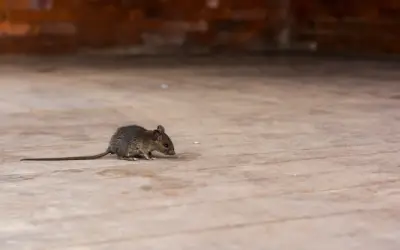
Once the last rodent has been removed, many people think the job is over. In reality, the most dangerous part of the process is just beginning. Cleanup and sterilization are not optional; they are a vital necessity for a healthy home.
Why Sanitization Is Important After a Rodent Problem
Even after the pests are gone, they leave behind urine, droppings, and pheromones. These aren’t just gross—they are dangerous.
Leaving a contaminated area untouched poses several risks:
- Respiratory Hazards: Dried droppings can break apart, allowing bacteria and viruses to become airborne.
- Pheromone Trails: Rodents leave scent markers that tell other rodents your home is a safe and hospitable place to live.
- Secondary Pests: Nesting material can attract cockroaches, carpet beetles, and other insects.
What If Rodents Have Been in Your Insulation?
Rodents view your home’s insulation as a luxury hotel. They tunnel through it, compact it (which lowers your R-value and increases energy bills), and use it as a communal bathroom.
If rodents have been in your insulation, it is highly contaminated and cannot be “spot-cleaned.” You will need professional insulation removal and replacement, and in many cases, Eden Advanced Pest Technologies recommends a full crawl space restoration. Replacing soiled insulation is the only way to ensure your home’s air quality is restored and the “scent” of the infestation is truly gone.
Step 5: Rodent-Proof Your House with Exclusion Measures
The final stage of handling a rodent problem is rodent-proofing and exclusion. This is the process of physically sealing your home so that new rodents cannot move in. Think of it as fortifying your castle.
Rodent-proofing involves identifying every gap larger than a dime and sealing it with professional-grade materials like steel mesh, hardware cloth, and specialized sealants.
The benefits of rodent exclusion include:
- Long-term Prevention: It stops the cycle of “catch and repeat.”
- Energy Efficiency: Sealing gaps often helps reduce drafts and energy loss.
- Peace of Mind: You can sleep soundly knowing the exterior of your home is secure.
Need Help? Call Us for Rodent Control You Can Trust!
Handling a rodent problem requires more than just a few traps; it requires a comprehensive plan that covers identification, removal, sterilization, and prevention. At Eden Advanced Pest Technologies, we are the regional rodent control experts in Spokane, WA and Coeur d'Alene, ID dedicated to reclaiming your home from unwanted pests. We understand the urgency, the health risks, and the technical challenges of outsmarting these clever intruders.
Don’t wait for a small problem to become a major infestation. If you’ve seen the signs or heard the scratches, take the first step toward a pest-free home and call us today.
Back to Rat & Mice Exterminators, Control & Removal