 208-714-4970
 509-327-3700
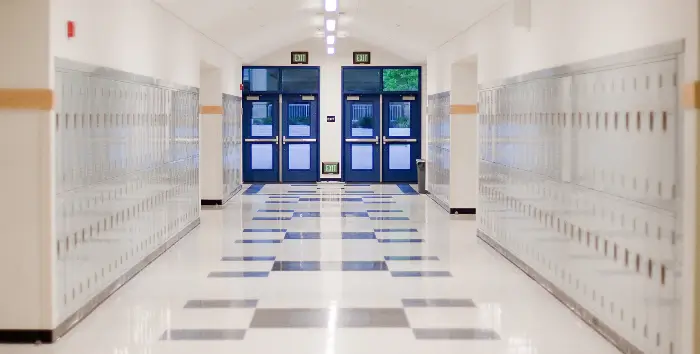
Schools, childcare facilities, libraries, colleges, dormitories, and other educational properties all require clean, healthy environments for students, staff, and visitors. Pest activity inside these areas can quickly become a health concern, disrupt learning environments, and create sanitation or regulatory issues if not addressed properly.
Throughout Washington and Idaho, integrated pest management (IPM) programs are encouraged for educational facilities to reduce pest activity, while supporting student safety and sanitation goals.
Eden Advanced Pest Technologies’s expert technicians provide commercial pest services for schools and educational facilities, designed to reduce the risks of pests with proactive monitoring, exclusion strategies, and targeted treatments.
Pests Found in Schools and Educational Facilities
Educational facilities naturally attract pests because they offer food, moisture, and shelter. Large campuses with kitchens, cafeterias, and locker rooms. Shared housing areas face even greater risks if preventative measures are not maintained.
Some of the most common pests found in schools include:
- Rodents (such as mice and rats)
- Cockroaches
- Ants
- Spiders
- Stinging Insects
- Bed Bugs
- Flies
- Pantry Pests
Different areas of a campus may experience different pest pressures. Cafeterias and kitchens often attract cockroaches, ants, and rodents due to food debris and moisture, while locker rooms and athletic facilities might develop fly or moisture-related pest issues.
Dormitories and childcare spaces can also experience problems with bed bugs and stinging insects.
How Integrated Pest Management (IPM) Works in Schools
IPM focuses on long-term pest prevention with sanitation strategies, monitoring, exclusion, maintenance, and targeted treatments when necessary. Many schools throughout Washington and Idaho utilize IPM strategies because they help reduce pest activity and limit pesticide exposure in learning environments.
Washington State encourages IPM guidance, emphasizing prevention, routine inspections, and proper communication. Educational facilities are expected to maintain sanitary conditions and respond appropriately to any pest concerns that could affect student health or safety.
IPM strategies in schools often include:
- Routine pest monitoring and inspections
- Identifying moisture and sanitation concerns
- Sealing pest entry points
- Improving waste management practices
- Reducing clutter in storage areas
- Targeted treatment plans, when pest activity is identified
Preventative pest management is especially important in environments serving younger children, where sanitation and safety concerns require additional attention.
How to Know if a School Has a Pest Problem
Some school pest issues are immediately visible, while others hide inside walls, storage spaces, kitchens, or utility areas until the populations grow larger.
Common warning signs include:
- Droppings near food prep or storage areas
- Gnaw marks on packaging or building materials
- Pest sightings in classrooms or cafeterias
- Unusual odors in kitchens or locker rooms
- Insect activity near drains or trash areas
- Scratching sounds inside ceilings or walls
- Damaged food products in cafeterias or vending areas
- Increased pest activity during school breaks or seasonal closures
Pests typically become more active during periods when buildings are unoccupied, such as summer vacation or holiday breaks.
Why Exclusion and Prevention Are So Important
Exclusion work plays a major role in school pest management because educational facilities contain so many entry points for pests. Small gaps around utility lines, doors, vents, roofing materials, and foundations allow rodents and insects to enter buildings repeatedly.
Preventative maintenance and exclusion measures are especially important when schools are closed or operating with reduced occupancy. Empty cafeterias, unused classrooms, and quiet dormitories allow pests to establish nesting areas before the students return.
Sealing entry points, maintaining sanitation standards, managing waste properly, and addressing moisture issues can significantly reduce long-term pest pressures. Consistent prevention strategies are often far more effective and less disruptive than responding after infestations become widespread.
What Happens if Pest Problems Are Ignored?
Pest activity inside schools and educational facilities is more than an inconvenience. Rodents, cockroaches, and other pests may contaminate food preparation areas, damage property, and contribute to sanitation concerns across campus.
Letting an infestation grow may also:
- Disrupt classrooms or student housing
- Trigger complaints from parents or staff
- Create negative public perception
- Damage stored materials, books, or equipment
- Lead to health or safety concerns
- Increase maintenance and repair costs
Utilize proactive pest management to protect your facility’s operations and reputation.
How to Prepare Your School for a Pest Inspection
Preparing for a professional pest inspection can help technicians thoroughly evaluate the property and identify any conditions contributing to pest activity.
Before an inspection:
- Clean kitchens, cafeterias, and food storage areas
- Remove unnecessary clutter from classrooms and storage rooms
- Report areas where pests or droppings have been observed
- Check for plumbing leaks or standing water
- Provide access to maintenance rooms and utility spaces
- Secure food products in sealed containers when possible
It’s also helpful for staff and maintenance teams to communicate any information they have on recurring pest sightings, seasonal concerns, or areas with ongoing moisture issues.
Professional inspections identify active issues and the environmental conditions that may be helping pests thrive inside the facility.
Professional Pest Control for Schools and Educational Facilities
Schools, childcare facilities, dormitories, and educational campuses require pest management programs that prioritize sanitation, safety, and long-term prevention. Early detection, routine monitoring, and proactive exclusion can help facilities reduce the risks associated with pest activity throughout the school year.
Eden Advanced Pest Technologies provides IPM services for schools, educational facilities, childcare centers, libraries, and campus housing throughout the region. Our customized treatment programs are designed to support healthy learning environments and prevent future pest activity.
If your school or educational facility is experiencing pest concerns, reach out today to schedule an inspection with our team.
Back to Commercial Pest Control