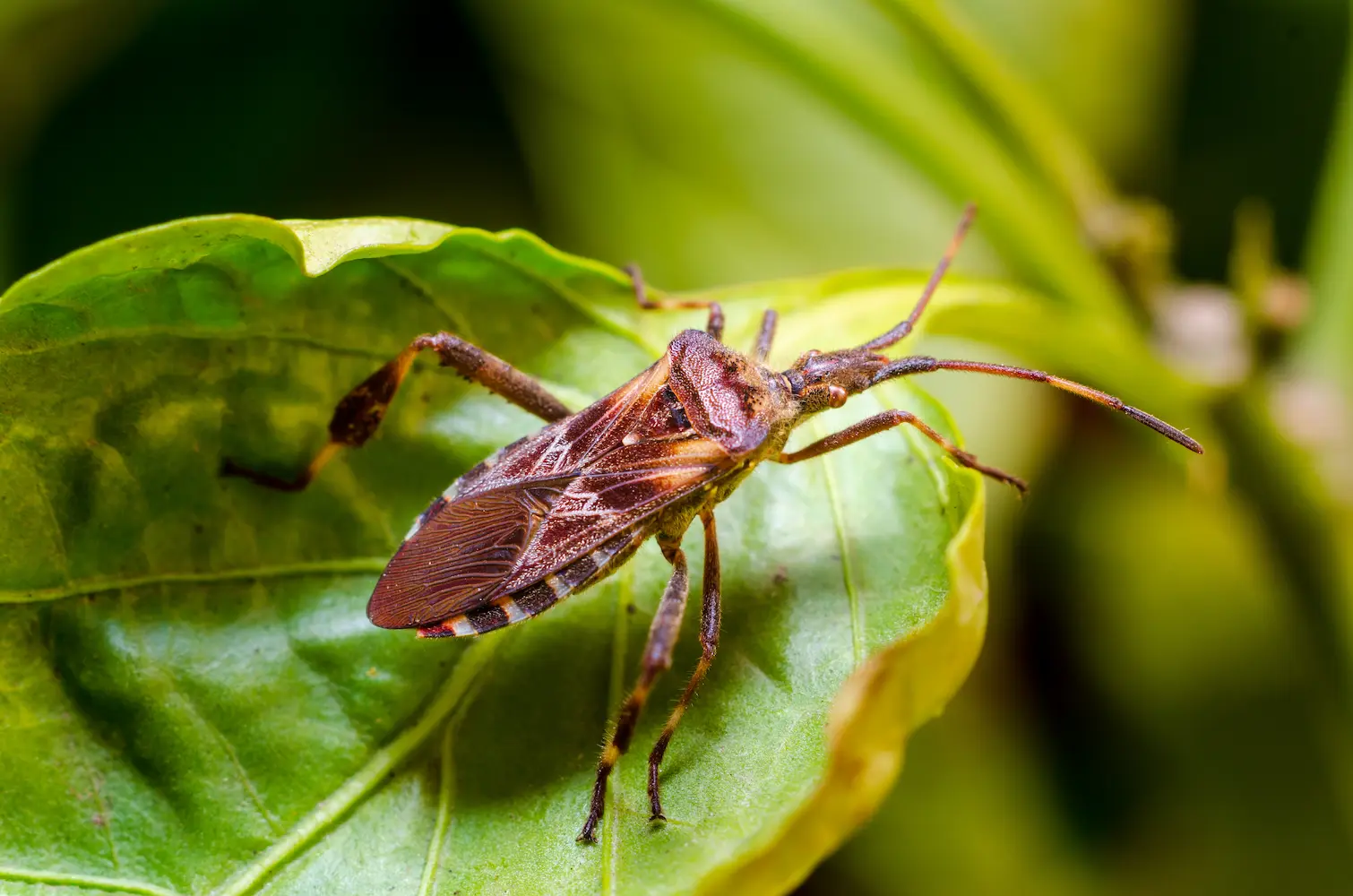
If you live in Idaho or Washington state, you may have encountered seed bugs making their way indoors, especially when the seasons change. Seed bugs are a group of insects that feed primarily on the seeds of trees and plants. Two species here cause the most concern: the elm seed bug and the western conifer seed bug.
While neither poses serious health risks to humans or pets, their presence can quickly become overwhelming when they invade your home by the dozens, or even hundreds. These pests can appear in large numbers, leave behind unpleasant odors, and cause frustration for homeowners who just want a peaceful living space.
At Eden Advanced Pest Technologies, we understand how frustrating it can be when these pests take over your Spokane WA or Coeur d’Alene ID space. Whether you’re dealing with western conifer seed bugs, elm seed bugs, or you’re not quite sure what type of pest has invaded your home, we’re here to help with expert treatments and knowledge.
What Is the Western Conifer Seed Bug?
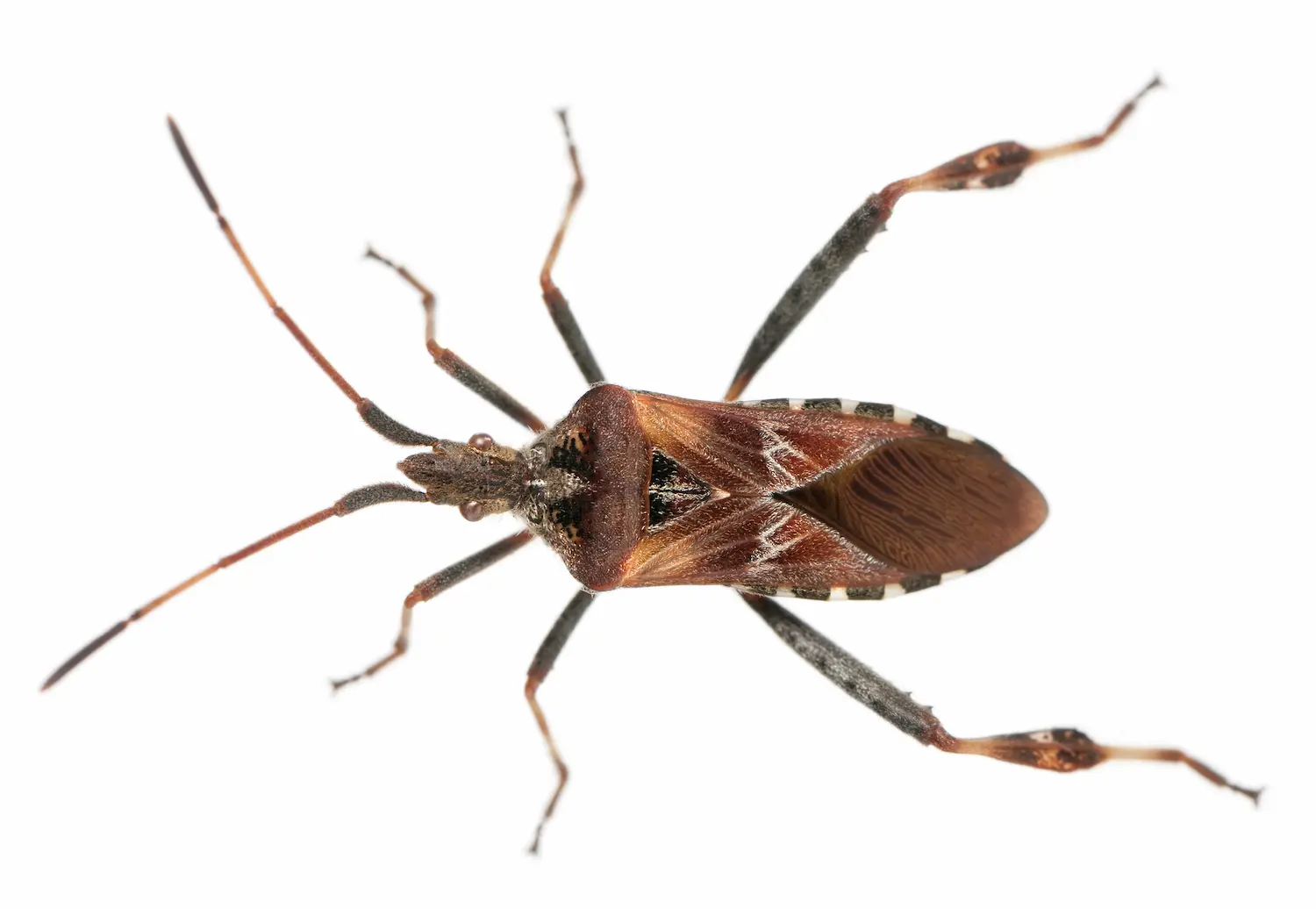 During the warmer months, western conifer seed bugs are mainly outdoor pests. They spend their time feeding on the seeds of various trees and shrubs, with a particular preference for pine cones. The western conifer seed bug also feeds on seeds from Douglas-fir, dogwood, sumac, and other conifers common throughout Idaho and Washington.
Here’s how you can identify them:
- The western conifer seed bug is about three-quarters of an inch long with a triangular shield-shaped body where the wings overlap near the middle section.
- These bugs have a dull brown, marbled appearance with a faint white zigzag line running down the center of their back.
- Along the edges of their abdomen, you’ll notice ornate brown and white markings that give them a distinctive look.
- Their hind legs have slight hairs, and as mentioned earlier, the widened lower legs are a key identifying feature.
As temperatures start to drop, the west conifer seed bug begins searching for shelter from the cold. This is when they start entering homes and structures, looking for a warm place to spend the winter.
When temperatures drop further, these bugs enter a hibernation-like state until spring arrives. During this time, you may find them moving slowly near baseboards, windows and door frames, electrical outlets, heating and cooling vents, or even inside walls.
They squeeze through cracks and crevices around windows, doors, vents, and other openings, making their way into wall voids, attics, and living spaces. Once inside, western conifer seed bugs don’t build nests or cause structural damage to your home. They hide in hard-to-reach places like cracks and crevices, making them difficult to eliminate completely.
Western conifer seed bugs often die indoors because they can’t find water. Within a week or two of entering your home, you may start finding their bodies in corners, along windowsills, or near entry points. While this might seem like the problem is solving itself, dead bugs can still attract other pests and create an unpleasant environment.
What Is The Elm Seed Bug?
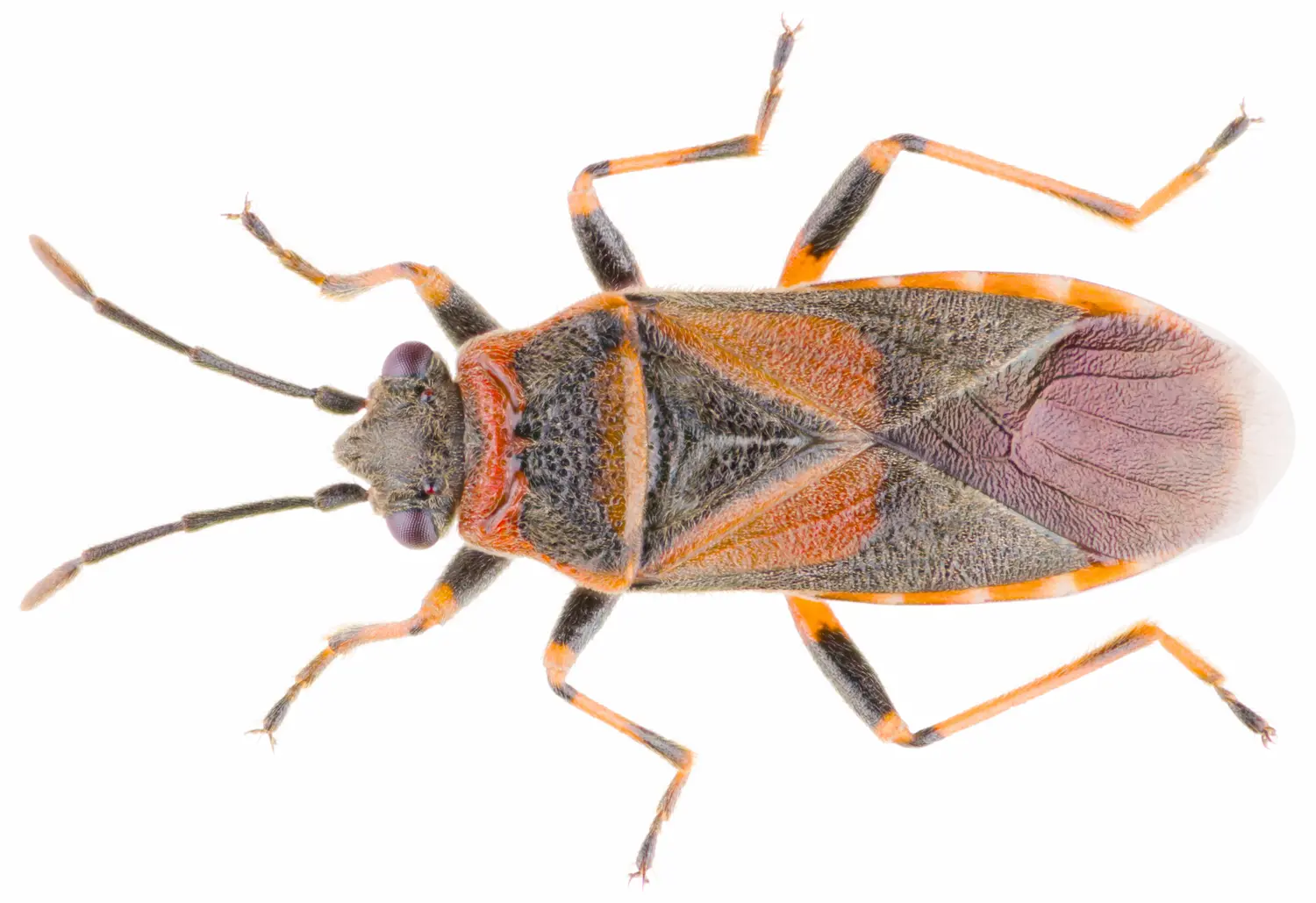 The elm seed bug is another common invader in Pacific Northwest homes. As their name suggests, these pests are closely associated with elm trees, where they feed on the seeds during spring and summer. Like their conifer-loving cousins, elm seed bugs seek shelter indoors as the weather cools, leading to an elm seed bug infestation in homes near elm trees.
- Elm seed bugs are slightly smaller than western conifer seed bugs but share many behavioral traits.
- They gather in large numbers on the sunny sides of buildings before finding their way inside through small openings.
- Once inside, they congregate in warm areas and can quickly become a nuisance, especially when homeowners discover dozens of them clustered on walls, ceilings, or around windows.
Like the western conifer seed bug, elm seed bugs release an unpleasant odor when crushed or disturbed. This makes physical removal tricky. Simply swatting or stepping on them fills your home with an unwelcome smell.
Are Seed Bugs the Same as Stink Bugs?
The answer is a bit complicated. While seed bugs and stink bugs belong to the same insect order (Hemiptera, or “true bugs”), they are different species, in different families, with distinct characteristics.
The western conifer seed bug is often mistaken for a stink bug because of their similar appearance and one shared trait: they both release a foul-smelling odor when disturbed, crushed, or handled. This western conifer seed bug stink is a defense mechanism, and it’s one of the main reasons people assume they’re dealing with stink bugs.
The elm seed bug shares similar characteristics with stink bugs as well and can also produce an unpleasant odor when threatened.
However, there are several ways to tell these pests apart:
- The seed bug has a longer, narrower body compared to the broader shape of a stink bug.
- Seed bugs have widened lower legs that resemble small leaves, while stink bugs have straight, cylindrical legs.
- Stink bugs have white bands on the last two segments of their antennae, but seed bugs do not have these markings.
Do Seed Bugs Bite (& Are They Dangerous)?
The good news is that western conifer seed bugs and elm seed bugs are not known to bite humans or pets. They have piercing mouthparts designed for extracting nutrients from seeds, not for biting through skin.
These pests are considered nuisance insects rather than dangerous ones. They don’t spread diseases, and they won’t damage the structure of your home.
However, that doesn’t mean they’re harmless in every sense. For some people, large numbers of seed bugs can trigger allergic reactions, especially when the bugs release their defensive odors. The psychological stress of dealing with an infestation can also take a toll on homeowners who feel like their personal space has been invaded.
Additionally, if you have conifer trees on your property, heavy seed bug activity can affect the health of those trees. While a few bugs won’t cause significant harm, a large population can impact your trees over time.
How to Manage Seed Bugs
Managing seed bugs effectively requires a combination of tactics. There’s no single solution that works for everyone, but implementing multiple methods will help protect your home from infestations and reduce the frustration these pests cause:
- Sealing Entry Points: The most important step in western conifer seed bug control and elm seed bug control is preventing the bugs from getting inside in the first place. Walk around your home and carefully inspect the exterior for gaps and openings. Check around windows, doors, and vents where bugs commonly enter. Use weatherstripping and caulking to seal any cracks or gaps you find. Don’t forget to repair damaged screens on windows and vents. Even small tears can provide entry points for determined insects.
- Physical Removal: For minor infestations or when you spot individual bugs, physical removal is often the best approach. Many homeowners reach for a vacuum cleaner to remove seed bugs, and this method works well for a few reasons. Vacuuming is quick, it captures the bugs without crushing them (avoiding the odor they release), and it allows you to remove multiple insects at once.
- Indoor Traps: Light traps can be useful tools for capturing seed bugs inside your home. These traps use light to attract the bugs, then capture them using glue or another mechanism. Place light traps in areas where you’ve noticed bug activity, such as near windows or in corners where they tend to congregate. While traps won’t eliminate an infestation on their own, they can help reduce the population and give you a better sense of how severe the problem is.
Long-Term Prevention Methods
Rather than dealing with the same issue year after year, implementing these strategies helps break the cycle and keeps your home bug-free:
- Regular Inspections: Make it a habit to conduct regular inspections of both your home and your property. Walk around the exterior of your house looking for new cracks, gaps, or damage that could serve as entry points. Check your trees for signs of seed bug activity or feeding damage. Early detection makes it much easier to manage and control infestations before they become overwhelming.
- Maintaining Healthy Trees: If you have conifer or elm trees on your property, keeping them healthy can help reduce seed bug populations. Water and fertilize your trees regularly according to their needs. Prune dead branches and treat any tree diseases promptly. Healthy trees are better able to resist pest pressure, and maintaining your landscape reduces the overall appeal of your property to seed bugs.
- Seasonal Maintenance: Seed bug control is most effective when you think about it seasonally. In late summer, before temperatures drop, focus on sealing cracks and crevices where bugs might enter your home. This is the critical window when seed bugs are actively searching for shelter, and a well-sealed home makes a much less attractive target.
Signs of a Seed Bug Infestation
The sooner you identify the issue, the easier it becomes to control and prevent future invasions:
- The most obvious sign of an infestation is spotting the bugs themselves. Look for adults with their characteristic brown bodies and distinctive markings. Seed bugs are often found on walls, ceilings, and window sills inside homes, particularly during fall and winter months.
- Seed bugs tend to gather in large numbers in certain areas of your home. Check attic spaces, basements, and behind wall hangings for groups of bugs seeking refuge from the cold.
- If you notice a strong, unpleasant smell in your home that you can’t trace to another source, it might be coming from crushed seed bugs. Both western conifer seed bugs and elm seed bugs release their distinctive odor as a defense mechanism. This smell is particularly noticeable when bugs are disturbed, vacuumed, or accidentally stepped on.
- If you have conifer trees, check for signs of feeding damage, such as discolored needles or poor seed development. For elm seed bugs, watch the areas around elm trees on your property, especially the sunny sides of your home’s exterior where these bugs tend to gather before moving indoors.
When to Call a Seed Bug Exterminator
Consider calling a seed bug exterminator when you’re dealing with large numbers of bugs that are overwhelming to manage, when the same infestation returns year after year despite your prevention efforts, or when you simply don’t have the time or ability to address the problem yourself.
A trained technician can identify all the entry points you might have missed, apply targeted treatments to problem areas, and set up ongoing monitoring to catch future issues before they become major infestations. For elm seed bug extermination in particular, professional treatment can make a significant difference when dealing with large populations.
Experts understand the behavior patterns of these pests and can time treatments for maximum effectiveness. They also know what kills elm seed bugs most efficiently while minimizing impact on your home environment.
Get Year-Round Protection With Eden Advanced Pest Technologies
No matter the species, seed bugs share one goal: they want the warmth and shelter your home provides when the weather turns cold. They can appear quietly and multiply quickly if left unchecked. With routine maintenance, proper sealing, and proactive measures, you can keep your Idaho or Washington home safe in every season and reduce the risk of infestations.
Eden Advanced Pest Technologies’ team has extensive experience with seed bug control throughout the Spokane Metro, Coeur d’Alene, Post Falls, and Tri-Cities areas. We understand the unique challenges these pests present to Pacific Northwest homeowners, and we have the knowledge and tools to solve them.
So call us today to schedule an inspection and learn more about how we can help keep your home free from seed bugs and other unwanted pests.