The brown marmorated stink bug may look like just another garden nuisance, but this invasive pest is a growing concern in Washington State and Idaho. Originally from East Asia, it was accidentally introduced to the U.S. in the late 1990s and has since spread across the country, including into the Pacific Northwest.
Unlike native stink bugs, this invasive species feeds aggressively on crops, fruit trees, and ornamental plants, causing widespread agricultural damage. As temperatures cool in the fall, brown marmorated stink bugs seek shelter indoors, becoming a frustrating seasonal pest for homeowners as well.
If you’ve noticed these shield-shaped insects clustering on your walls or creeping inside, here’s what you need to know about the invasive brown marmorated stink bug and why professional control matters.
Why Are Brown Marmorated Stink Bugs Considered Invasive?
The brown marmorated stink bug is classified as an invasive species because it was introduced from outside North America and has no natural predators here to keep its population in check. As a result, their numbers grow quickly and they compete with native species for food and resources.
In the Pacific Northwest, they pose a few unique threats:
- Agricultural Damage: Stink bugs feed on apples, pears, peaches, corn, grapes, and many other crops, leaving behind bruised, deformed, or rotten produce.
- Rapid Spread: Once established, these pests multiply quickly and spread across regions, infesting both rural farmland and urban neighborhoods.
- Indoor Invasions: When fall arrives, adult stink bugs invade homes and businesses in large numbers, squeezing through tiny gaps to overwinter indoors.
Their invasive nature makes them more than just a nuisance, they’re a serious pest problem.
How to Identify a Brown Marmorated Stink Bug
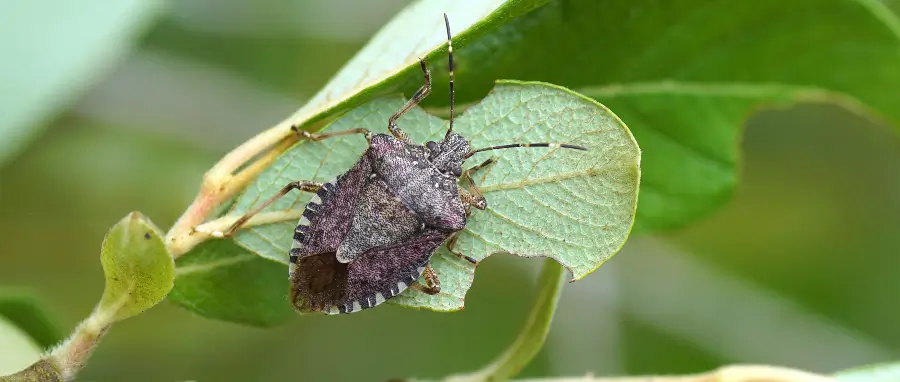
While there are many stink bug species, the brown marmorated stink bug has a few telltale traits:
- Shield-Shaped Body: Roughly ½ inch long, with a mottled brown coloring.
- Distinctive Markings: White bands on antennae and alternating light/dark bands on the edges of the abdomen.
- Overwintering Behavior: Most noticeable in fall when they cluster around buildings looking for warmth.
Why Professional Pest Control Is Best
DIY methods (like vacuuming or traps) may handle a few stink bugs, but once an invasion begins, it’s difficult to keep up. Crushing them releases their signature odor, while repellents and sprays only provide short-term relief.
Professional pest control offers lasting results with:
- Thorough inspections to locate entry points and infestation sources.
- Safe, effective treatments that target stink bugs without harming people, pets, or plants.
- Preventive solutions to stop future invasions before they start.
Expert Stink Bug Solutions in Spokane WA & Coeur d’Alene ID
Don’t let the invasive brown marmorated stink bug take over your home or damage your property. At Eden Advanced Pest Technologies, we specialize in identifying and eliminating stink bugs, with proven strategies designed for the Pacific Northwest.
Whether you’re dealing with a seasonal invasion or a recurring issue, our team can provide a customized treatment plan to protect your home, garden, or business.
Ready to stop stink bugs in their tracks? Contact us today for expert pest control services in Spokane, WA and Coeur d'Alene, ID.