 208-714-4970
 509-327-3700
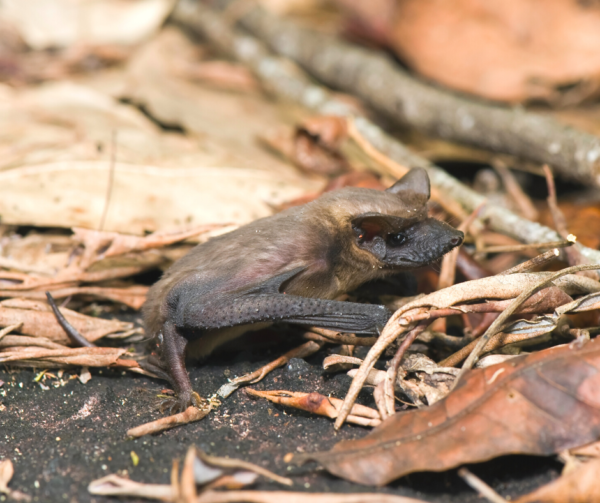
If you notice bats around your home, you may wonder whether they are just visiting the property or have established a nearby roost. Bats provide an important ecological benefit by feeding on insects, but problems can arise when they begin using homes and other structures as places to shelter.
Eden Advanced Pest Technologies provides professional bat control services throughout Eastern Washington and Northern Idaho. If you have noticed bats entering or leaving your home, found bats inside a structure, or are concerned about recurring bat activity, our team can help identify where bats are gaining access and determine an appropriate approach to bat removal and exclusion.
Common Bats in Eastern Washington and Northern Idaho
The Pacific Northwest is home to 15 bat species, while 14 species have been documented in Idaho. Several species may be encountered around homes, buildings, trees, waterways, and other areas where bats find food and shelter. The bats most commonly encountered around homes in Eastern Washington and Northern Idaho include:
- Big Brown Bats: Big brown bats are relatively large bats that can use buildings and other structures as summer roosting sites. They are found throughout Idaho and are also common in Washington.
- Little Brown Bats: Little brown bats are smaller bats that can roost in buildings, tree cavities, rock crevices, caves, and mines. They may form maternity colonies during the warmer months.
- Yuma Myotis: Yuma myotis are small bats found throughout much of Washington and Idaho. They can use buildings, porches, bridges, trees, and other locations as roosting sites.
- Pallid Bats: Pallid bats occur in both Washington and Idaho and are often associated with drier environments. They may use buildings and other structures as roosting and feeding areas.
Knowing the exact species is not always necessary when determining whether bats may be causing a problem. However, species identification and knowledge of local bat behavior can be useful when deciding how and when exclusion should be performed.
Bat Seasonality and Regulations
Bat activity changes throughout the year, making timing an important consideration for bat control. Bats may use buildings and other structures during warmer months before moving to different roosting sites or preparing for hibernation. Maternity colonies can also affect when exclusion should take place.
Here is what homeowners should know about bat activity, exclusion timing, and regulations in the region:
When Are Bats Most Active?
During warmer months, bats feed on insects and may use buildings, trees, bridges, and other locations as day or night roosts. Female bats may also gather in maternity colonies to give birth and raise their young.
Many bat species mate during the fall and winter, although females may delay fertilization until spring. As summer ends and temperatures begin to drop, bats may migrate, move to different roosting locations, or begin preparing for hibernation.
By October and November, many bats in the region are moving toward or already using winter roosts, making proper exclusion especially important. In Washington, many bats enter hibernation sites in late September or October. Idaho Fish and Game advises that, unless there is a public health threat, the preferred time to evict and exclude bats from structures is generally from early September through mid-October, after maternity season and before hibernation.
When Should Bat Exclusion Be Performed?
Timing matters because excluding bats at the wrong time can trap animals inside a structure or separate mothers from young that cannot yet fly. Hibernating bats can also be harmed by unnecessary disturbance. Washington guidance specifically advises leaving bats that are hibernating in buildings undisturbed until an appropriate time for exclusion.
Bat Control Regulations in Washington and Idaho
Bats are protected wildlife in Idaho, where it is illegal to harm, harass, or kill them. Washington also has protections for bats, with specific provisions concerning bats in or immediately adjacent to dwellings. Because regulations and appropriate exclusion timing can vary by location and circumstances, bat control should be approached with current state guidance in mind.
Signs You Might Have a Bat Problem
Seeing a bat flying outside at night does not necessarily mean that bats are living inside your home. However, repeated activity around the same structure or evidence of bats entering an enclosed area can indicate that they have found a suitable roost. Signs of bat activity may include:
- Bats Entering or Leaving: Watching bats disappear into an opening around the roofline, eaves, soffits, fascia, vents, or another part of the structure can indicate an active entry point.
- Bat Droppings: Guano may accumulate beneath roosting areas or near entry points.
- Unusual Odors: Accumulated droppings and urine can produce noticeable odors when bats have been using an enclosed space.
- Sounds at Night: Scratching, squeaking, or other noises coming from an attic, wall, or other enclosed area may indicate wildlife activity.
- Staining Around Openings: Dark staining or rub marks around frequently used openings can provide clues about where bats are entering and exiting.
- Bats Inside the Living Area: A bat appearing inside a bedroom, hallway, or other living space may indicate that it has found a route from an attic, wall void, chimney, or another part of the structure.
Because other wildlife can produce some of the same signs, an inspection may be needed to determine whether bats are responsible and where they are accessing the structure.
Are Bats Dangerous to People, Pets, or Property?
Bats generally avoid people and are not normally aggressive, but they are wild animals that should not be handled. A bat that feels threatened may bite or scratch, and direct contact can create a potential rabies exposure.
If a bat is found inside a home where someone may have been sleeping or where a child or pet could have come into contact with it, appropriate precautions should be taken. Anyone who has been bitten, scratched, or had direct contact with a bat should contact a healthcare provider or local public health authority for guidance.
Bats can also create property concerns when they establish a roost inside a structure. Accumulated guano and urine can produce odors and sanitation concerns, while bats may gain access to attics, wall cavities, garages, and other areas where they are not wanted.
Do Bats Carry Diseases, Parasites, or Other Pests?
Bats can carry diseases and parasites, but finding a bat around your home does not automatically mean that people or the property have been exposed to disease. Direct contact is the primary concern, while an established bat roost can also create other problems. Some of the concerns associated with bats include:
- Rabies: Rabies is the primary health concern associated with direct contact with bats. Bites and scratches may not always be obvious, so anyone who may have had direct contact with a bat should seek guidance from a healthcare provider or local public health authority.
- Parasites: Bats can carry external parasites such as fleas, ticks, mites, and bat bugs. These organisms may be present around established roosting areas.
- Guano and Urine: Accumulated droppings and urine can create odors and sanitation concerns, particularly when bats have been using an enclosed area as a roost.
- Other Organisms: Bat roosts can accumulate organic material that may attract insects and other organisms.
- White Nose Syndrome: White nose syndrome is a fungal disease affecting bat populations in North America. It has been detected in Washington and was confirmed in Idaho in 2026.
Avoiding direct contact with bats and addressing established roosts appropriately can help reduce potential concerns for people, pets, and property.
How Can You Prevent Bats? What Is Bat Abatement?
Bat abatement generally involves identifying how bats are accessing a structure, allowing them to leave when appropriate, and then closing potential entry points so they cannot return. Exclusion is one of the primary methods used to prevent bats from continuing to roost inside buildings.
Homeowners can reduce potential bat access by paying attention to areas where openings may develop. Common prevention measures include:
- Inspect Roof Edges: Look for gaps around roof edges, ridge caps, soffits, fascia, and areas where different parts of the structure meet.
- Check Vents and Openings: Damaged screens, vents, and other openings can provide potential access to bats.
- Maintain the Structure: Repair deteriorated areas that create openings large enough for bats to enter.
- Address Entry Points: Potential openings should be evaluated before they are sealed to make sure bats are not still inside.
- Consider Roosting Alternatives: In some situations, a properly located bat house may provide an alternative roosting location, although there is no guarantee that bats will use it.
Bat abatement is more than simply filling a hole where a bat was seen. Bats can use surprisingly small openings, and closing one visible opening may not address other access points around the structure.
What Not to Do When You Have Bats
The preferred approach to getting rid of bats from a structure is generally exclusion rather than trapping or attempting to kill them. One-way exclusion devices can allow bats to leave the structure while preventing them from returning. Once the bats have left, appropriate openings can be sealed to prevent reentry.
Homeowners should avoid several common approaches when dealing with bats. Here are some things you should not do:
- Do Not Poison Bats: There are no toxicants registered for controlling bats, and poisoning can create additional problems when bats die inside inaccessible areas or come into contact with people or pets.
- Do Not Seal Active Openings: Closing an opening while bats are still inside can trap them within walls or other parts of the structure.
- Do Not Disturb Hibernating Bats: Winter exclusion can be harmful when bats are using a structure for hibernation.
- Do Not Separate Mothers From Flightless Young: Exclusion during the maternity period can leave young bats trapped inside while adults are able to leave.
- Do Not Rely on Ultrasonic Devices: Frightening devices and ultrasonic products have not been shown to provide a reliable solution for bat control.
- Do Not Handle Bats With Bare Hands: A bat that is injured, trapped, or inside a home should not be handled directly.
Bat removal methods can vary depending on the species involved, where the bats are located, the time of year, and whether they are currently roosting inside the structure. Professional wildlife control focuses primarily on exclusion and one-way exit devices, while trapping and toxicants are not recommended for bat control.
Professional Bat Control and Removal in Eastern Washington and Northern Idaho
A bat flying around your property at night may simply be passing through, while repeated activity around your home can indicate that bats have found a suitable place to roost. If bats are entering a structure, appearing inside the living area, or leaving signs of an established roost, determining where they are getting in is an important first step.
Eden Advanced Pest Technologies provides professional bat control, bat removal, and bat abatement services throughout Eastern Washington and Northern Idaho. Our team can help identify potential entry points, evaluate signs of bat activity, and determine an appropriate approach based on the location and timing of the problem.
For professional bat control and removal, contact Eden Advanced Pest Technologies to discuss your bat problem and determine the next steps.
Back to Wildlife Control