 208-714-4970
 509-327-3700
Humane Bird Removal and More
If you’ve ever been kept awake by birds on your roof or found yourself cleaning bird droppings off your car day after day, you know how frustrating pest birds can be. At Eden Advanced Pest Technologies, we provide humane bird removal and bird pest management solutions throughout Spokane WA and Coeur d’Alene ID.
Living in the Pacific Northwest means sharing our space with plenty of bird species, including pigeons, starlings, crows, geese, and seagulls. While we love seeing wildlife in their natural habitat, birds that decide to move into your home or business create real problems that go far beyond simple annoyance.
Our approach focuses entirely on bird exclusion services and prevention, so we do not harm or trap birds. We make your property an uninviting place for pest birds to roost and nest, encouraging them to find more suitable locations while protecting your building from damage.
Common Pest Birds in Spokane, WA and Coeur d'Alene, ID that We Take Care of
Pigeons
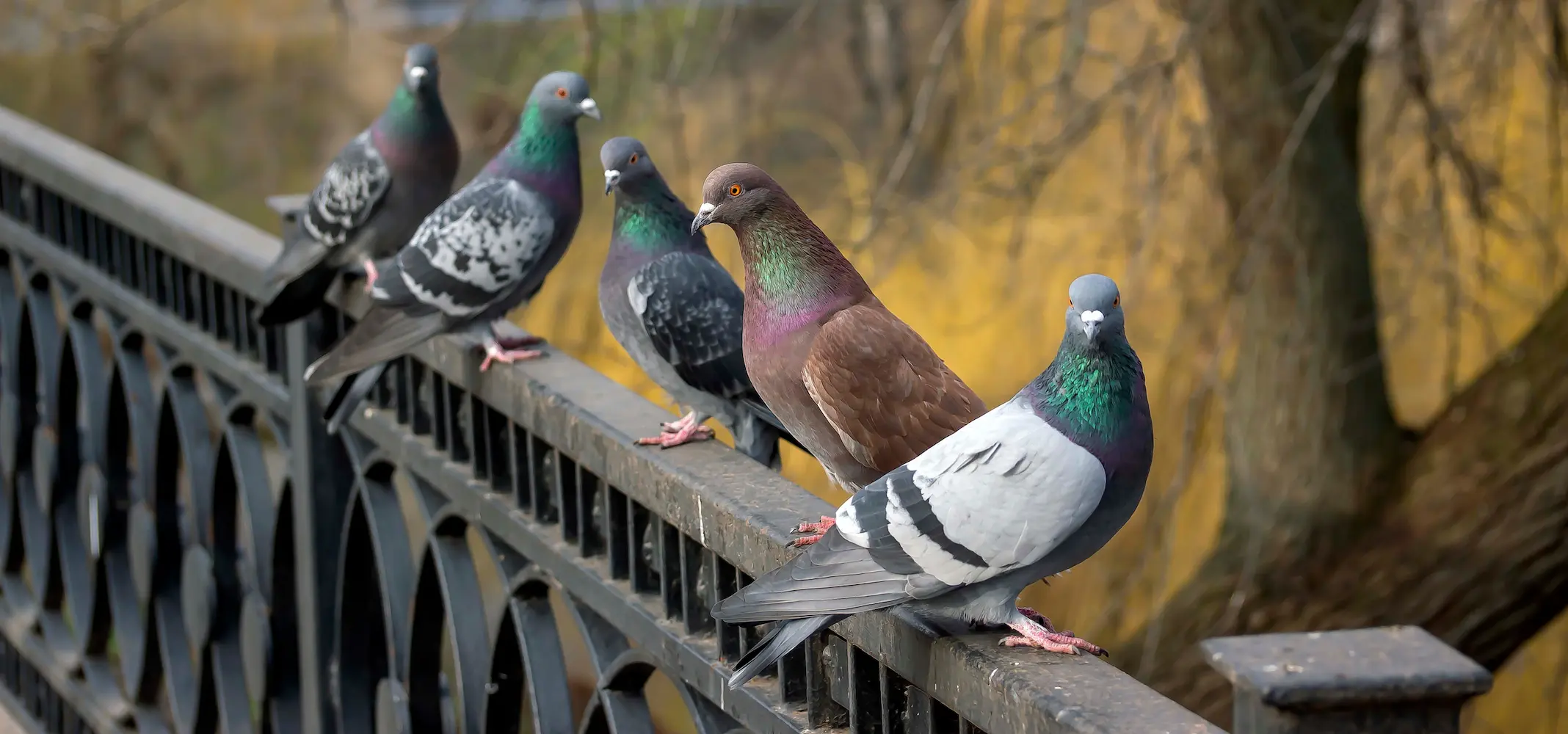
Pigeons are perhaps the most common pest bird in our region. These adaptable birds thrive in urban environments and quickly establish large populations around buildings that offer ledges, rooftops, and other flat surfaces. Once pigeons find a spot they like, they’re extremely difficult to discourage without professional bird control services.
Starlings
Starlings might seem small, but they cause big problems. These birds often nest inside vents and other openings in buildings. A single pair of starlings can turn into a major infestation quickly since they breed multiple times per year.
Crows
Crows are highly intelligent birds that can become a nuisance when they gather in large groups. They’re known for their loud calls, aggressive behavior during nesting season, and their tendency to get into trash and other food sources around your property.
Geese
Geese typically cause issues in larger open areas like parks, golf courses, and commercial properties with ponds or grassy lawns. Their droppings create unsanitary conditions and can make walking areas slippery and unpleasant.
Seagulls
Seagulls aren’t just a coastal problem. Here in the Inland Northwest, seagulls frequently show up around parking lots, restaurants, and anywhere food might be available. They’re bold birds that won’t hesitate to swoop down and steal food right out of your hands.
Damage These Pest Birds Can Cause
It’s easy to think of birds as a minor nuisance, but the truth is that a bird infestation can affect your health, your building’s structure, and even your legal standing with local health departments. Many people underestimate just how much damage pest birds can do to a property.
- Health Risks: When droppings dry out and become airborne dust, they can carry diseases that affect your respiratory system. This is especially concerning for children, elderly individuals, and anyone with existing health conditions.
- Structural & Property Damage: The acidic nature of bird droppings means they don’t just sit harmlessly on surfaces. Over time, droppings will stain, corrode, and cause permanent damage to nearly any building material. Roofing materials, painted surfaces, concrete, and metal all suffer when exposed to bird waste.
- Noise: If you’ve ever had pigeons or starlings roosting directly on your roof, you know that their cooing, chirping, and movement sounds carry right through into your space. This is especially problematic at night when you’re trying to sleep. For businesses, constant bird noise can disturb employees and create an unpleasant environment for customers.
- Safety Hazards: Bird droppings on sidewalks, stairs, and entryways create genuine slip-and-fall hazards. When stepped on, droppings become slippery and can easily cause someone to lose their footing. For businesses, this liability risk is significant. You could be held responsible if a customer or employee is injured due to conditions created by a bird infestation on your property.
Bird Exclusion and Abatement Services by Eden Advanced Pest Technologies
Bird Exclusion
Bird exclusion focuses on making your property physically inaccessible to birds. Rather than dealing with birds after they’ve settled in, exclusion prevents them from accessing problem areas in the first place. This approach targets the specific areas where birds are roosting, nesting, or entering your building.
Our effective bird exclusion services might include installing barriers over ledges where birds like to perch, sealing gaps and openings that allow birds into attics, vents, or wall cavities, and adding protective covers to vulnerable areas. We also look at door strips for exterior doors so that birds can’t simply fly in when someone enters or exits your building.
The beauty of exclusion work is that it provides long-term results. Once proper barriers are in place, birds simply cannot access those areas. There’s no ongoing battle: the problem is solved at its source.
Bird Abatement
Bird abatement is a broader term that covers all the methods and strategies used to reduce bird populations on a property. While exclusion focuses on physical barriers, abatement considers the complete picture of why birds are attracted to your property and what can be done to make it less appealing to them.
Our bird abatement services include thorough inspections to identify what’s attracting birds to your property, recommendations for removing food and water sources, habitat modification suggestions, and implementation of deterrents that make your property uncomfortable for pest birds.
Our Humane Approach
We believe strongly in humane bird removal methods. So we do not kill birds, and we do not trap them. Many bird species are protected by federal and state laws, and even species that aren’t protected deserve ethical treatment.
Our approach works by making your property an unappealing place for birds to settle. When food sources disappear, water becomes unavailable, and roosting sites are blocked off, birds naturally relocate to more hospitable locations. This is better for the birds and more effective for you in the long run.
As part of our exclusion work, we do remove nests when necessary and when they can be safely reached. However, it’s important to note that we do not offer standalone nest removal.
Our Bird Control Process
When you contact us about a bird problem, here’s how we approach the situation to provide effective, humane solutions:
- One of our bird control technicians will conduct an inspection, where we’ll assess the full scope of your pest bird situation: identifying species, evaluating damage, and determining how birds are accessing your building.
- Based on our findings, your technician will recommend an appropriate treatment plan. This includes specific bird-proofing details and transparent pricing so you know exactly what to expect. We’ll explain why we’re recommending certain approaches and answer any questions you have.
- Resolving bird problems usually requires more than one visit. We’ll arrange times that work for your schedule to complete the exclusion work. When our technicians arrive, they’ll introduce themselves and explain the treatment process before beginning any work.
- Once your property is bird-proofed, we’ll provide advice on preventing future problems, helping you understand what maintenance and habits will keep birds from returning.
Prevention as a Strategy
If you don’t currently have a bird problem, you might wonder whether bird control services are worth thinking about. The answer is yes, absolutely. Prevention is far easier, less expensive, and more effective than dealing with an established bird infestation. Once birds have identified your property as a good place to live, getting them to leave becomes much harder.
Birds are creatures of habit. They return to the same roosting spots night after night and year after year. A building that becomes known as a good location for birds will continue attracting them unless significant changes are made.
For business owners, prevention is particularly important. A reputation for bird problems can hurt your image with customers. Visible bird droppings, swooping gulls in your parking lot, or pigeons gathered on your storefront send the wrong message about your business. Health code violations related to pest birds can be even more damaging.
Our technicians are happy to conduct preventive inspections even if you’re not currently experiencing problems. We can identify vulnerabilities in your property and recommend cost-effective solutions before birds ever become an issue.
Tips for Keeping Birds Away
- Clean your gutters regularly and eliminate any areas where water collects and sits. If birds can reliably find water at your property, they’ll keep coming back.
- Keep all trash cans tightly covered, and never leave trash bags sitting in the open. If you have outdoor pets, don’t leave food bowls outside longer than necessary. Clean up any spilled food immediately. Once birds learn your property offers easy meals, they’ll establish residence.
- Avoid feeding pest birds. This might seem obvious, but well-meaning people often toss scraps to pigeons or put out bird feeders without realizing they’re encouraging exactly the birds they don’t want around. If you enjoy feeding birds, invest in weight-controlled feeders that prevent larger pest birds from accessing the food.
- Look at your building with a bird’s eye view (literally). Any ledge, projection, or flat surface is a potential roosting spot. Any gap, vent, or opening is a potential nesting site. The more of these vulnerabilities you can address, the fewer options birds have on your property.
- Keep trees trimmed and pruned. Dense foliage provides shelter for birds looking to nest. Regular pruning reduces this shelter and makes your landscaping less attractive as a bird habitat.
How to Tell if You Have a Bird Problem
Sometimes a bird issue is obvious, you can see dozens of pigeons on your roofline every morning. Other times, the signs are more subtle.
- If you’re regularly finding bird droppings in the same locations around your property, that’s a clear sign birds have chosen your building as a regular roosting spot. The more droppings you see, the more birds are likely involved. Pay special attention to droppings near vents, under eaves, and on ledges or window sills.
- Noise is another obvious indicator. Birds are creatures of habit. If you hear bird sounds coming from specific areas of your building consistently (especially at dawn and dusk) birds have likely established those areas as home base.
- Finding nesting materials around your property suggests birds are doing more than just visiting. Twigs, grass, feathers, and other debris near vents, gutters, or in corners of your roof indicate active nesting. This is particularly concerning because nesting birds are much more territorial and difficult to discourage than birds simply passing through.
- An increase in bird activity around your trash areas or outdoor eating spaces means your property is providing food sources, even if unintentionally. Birds that find reliable food quickly establish permanent residence nearby.
- If you or family members are experiencing unexplained bug bites, particularly small itchy welts, bird mites could be the culprit. These parasites live in bird nests and will seek out human hosts when their bird hosts aren’t available.
What to Do if Birds Get Inside
A bird trapped inside your home or business is stressful for both you and the bird. Here’s how to handle the situation humanely and effectively:
- First, stay calm. A panicking bird will fly erratically and could injure itself on windows or fixtures. Your goal is to create a clear exit path while reducing the bird’s stress.
- Open as many exterior doors and windows as possible, particularly any near where the bird is currently located. If you can, close doors to other rooms to limit where the bird can go and keep it closer to the exit points.
- Turn off interior lights and open blinds or curtains on windows leading outside. Birds naturally move toward light, so making the outdoors appear brighter than indoors helps guide them out.
- Give the bird time and space. Often, simply opening exit routes and stepping away for 15-20 minutes allows the bird to find its way out naturally. Chasing or trying to catch the bird typically makes the situation worse.
If the bird doesn’t leave on its own after a reasonable amount of time, or if you’re dealing with a potentially dangerous species like a larger gull or crow, contact a professional. Eden Advanced Pest Technologies’ bird control technicians can safely remove birds from interior spaces and identify how they got in so it doesn’t happen again.
Protecting Properties from Birds Since 2001
Whether you’re dealing with pigeons covering your rooftop, starlings nesting in your vents, or seagulls harassing customers in your parking lot, you don’t have to accept pest birds as a fact of life.
Our professional bird exclusion services and bird abatement services provide effective, humane solutions that protect your property, your health, and your peace of mind.
Don’t wait until droppings damage your building or bird mites invade your space, let us help you solve your bird problem the right way. Contact us today to schedule your inspection and take the first step toward a bird-free property.