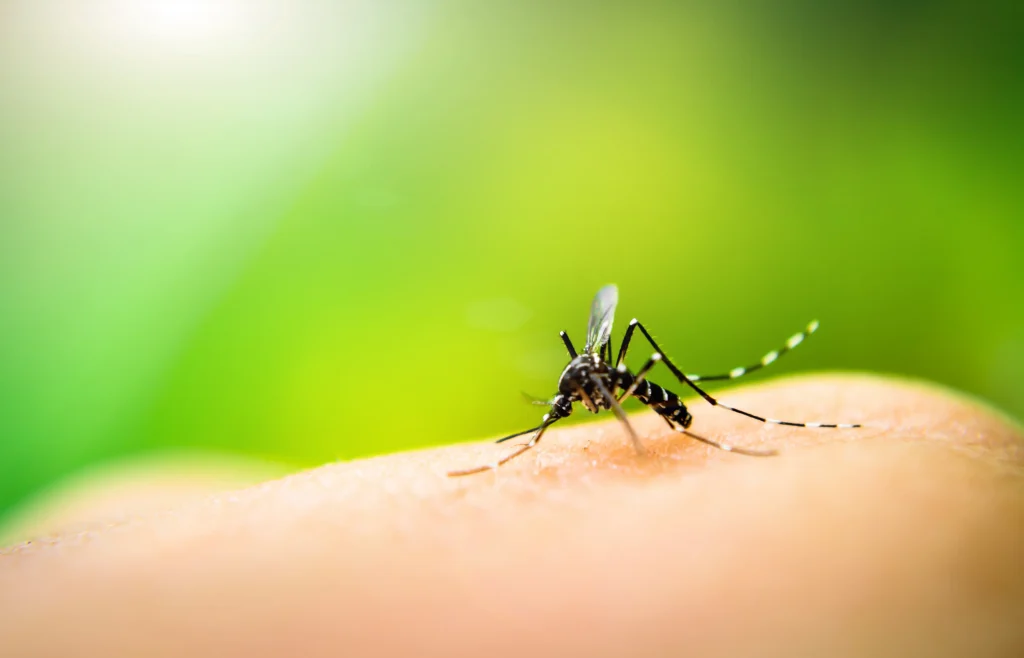
Yes. Mosquitoes in the Pacific Northwest can carry diseases, including West Nile Virus, which has been detected in Washington for many years. Although serious illness remains uncommon, public health agencies continue to monitor mosquito activity every summer to help protect local communities.
Most mosquitoes are simply a seasonal nuisance, but it’s still important to understand the health risks they can pose. Learning how mosquito-borne diseases spread, recognizing common symptoms, and taking preventive measures can help you better protect yourself and your family during mosquito season.
Do Mosquitoes Carry Disease?
Certain mosquitoes found throughout Washington and Idaho can transmit diseases. They become infected after feeding on infected birds and may later pass the virus to people through a bite. Thankfully, only a small number of mosquitoes carry disease, and the risk of infection from any single bite remains low.
West Nile Virus is the mosquito-borne illness that public health officials watch most closely in the Pacific Northwest. Ongoing mosquito surveillance helps detect the virus each summer so residents can be informed when mosquito activity increases.
What Mosquito-Transmitted Diseases Are Found in Washington and Idaho?
Mosquitoes can spread dozens of diseases around the world, but only a handful have been identified as concerns in Washington and Idaho. Public health agencies continue to monitor these illnesses each year through mosquito surveillance and disease reporting. These include:
- West Nile Virus: Washington’s most significant mosquito-borne disease and the virus most commonly associated with infected mosquitoes in the state.
- Jamestown Canyon Virus: An uncommon mosquito-borne illness that has been identified in the Pacific Northwest, though reported cases remain rare.
- California Serogroup Viruses: Rare mosquito-transmitted viruses that occasionally occur but are not commonly associated with widespread illness.
- Zika and Dengue: Rarely acquired through local mosquito transmission in Washington, but these diseases remain a potential concern due to travel-related cases and the movement of infected individuals between regions.
Of these mosquito-borne diseases, West Nile Virus is the one that health officials monitor most closely. It has been established in the Pacific Northwest for years, making seasonal mosquito surveillance an important public health priority.
What Is West Nile Virus?
Originally discovered in the West Nile district of Uganda in 1937, West Nile Virus is now one of the most widely recognized mosquito-borne diseases in the United States. After being introduced to North America in 1999, the virus spread across the country and continues to be monitored by health officials each year.
West Nile Virus spreads through the bite of an infected mosquito. Mosquitoes typically contract the virus after feeding on infected birds and can then transmit it to people through future bites. Humans do not spread the virus to other people.
Most infected individuals never develop symptoms, while others may experience fever, fatigue, headaches, and other flu-like symptoms. Severe illness is uncommon but can occur, particularly in older adults, infants, children, pregnant individuals, and people with weakened immune systems, in whom the virus may affect the brain or nervous system.
West Nile Virus Activity in the Pacific Northwest
West Nile Virus has been present in Washington and Idaho for more than 20 years, with mosquito activity changing from season to season based on factors such as weather conditions, temperatures, and mosquito populations.
In June 2026, routine mosquito surveillance detected West Nile Virus in mosquito samples collected near Moses Lake. Additional detections in mosquitoes and birds from surrounding areas showed that the virus continued to circulate in parts of central Washington.
Similar detections, including an outbreak in 2006, have occurred in Washington and Idaho over the years, which is why health officials continue monitoring mosquito populations each summer to track activity and identify potential risks.
How Do You Know If You May Have West Nile Virus?
The majority of people infected with West Nile Virus do not develop noticeable symptoms. However, some individuals may experience signs of illness, which can include:
- Fever
- Headache
- Body aches
- Fatigue
- Joint or muscle pain
- Nausea or vomiting
- Skin rash
In rare cases, severe symptoms such as confusion, muscle weakness, seizures, neck stiffness, or difficulty walking can develop. These symptoms require immediate medical attention.
What Should You Do If You Think You’ve Been Infected?
If you develop flu-like symptoms after being bitten by mosquitoes, especially during peak mosquito season, contact your healthcare provider for guidance. Symptoms such as fever, headaches, fatigue, and body aches can have many causes, but it is important to discuss any concerns if you suspect possible exposure to West Nile Virus.
Seek immediate medical attention if you experience more serious symptoms, including severe headaches, confusion, weakness, trouble speaking, or seizures. Prompt evaluation can help identify the cause of symptoms and ensure you receive appropriate care if needed.
Steps You Can Take to Prevent Mosquito Bites
The best way to avoid mosquito-borne illnesses is to reduce mosquito exposure. Fortunately, a few simple precautions can significantly lower your risk. You can help protect yourself by:
- Remove Standing Water: Eliminate sources of standing water around your property, such as buckets, planters, birdbaths, and other containers where mosquitoes can breed.
- Wear Protective Clothing: Wear long sleeves, long pants, and other protective clothing when mosquitoes are most active to reduce exposed skin.
- Use Insect Repellent: Apply an EPA-registered insect repellent when spending time outdoors, especially in areas with increased mosquito activity.
- Avoid Peak Mosquito Areas: Limit time near heavily wooded areas, wetlands, and marshy locations around dawn and dusk when mosquitoes are often most active.
- Maintain Screens and Barriers: Keep window and door screens in good condition to prevent mosquitoes from entering your home.
- Consider Professional Mosquito Control: Schedule professional mosquito treatments if mosquito populations become difficult to manage or are preventing you from enjoying your yard.
Professional mosquito control targets resting and breeding areas that are difficult to eliminate with DIY methods alone, helping reduce mosquito populations throughout the season.
Professional Mosquito Control in the Pacific Northwest
A mosquito problem can quickly turn your yard into a place you want to avoid. Professional mosquito treatments can help reduce mosquito populations around your property, allowing you and your family to spend more time outdoors with fewer interruptions.
Eden Advanced Pest Technologies offers mosquito control solutions designed for homes throughout the Pacific Northwest. From nuisance mosquito activity to concerns about mosquito-borne illnesses like West Nile Virus, our experienced team can help develop an effective treatment plan based on your property’s needs.
If mosquitoes are becoming a problem around your property, reach out to Eden Advanced Pest Technologies today to schedule a professional mosquito treatment.
Back to Mosquito Exterminators and Control